



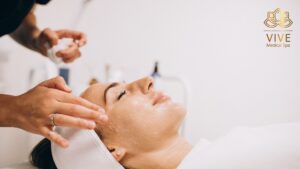
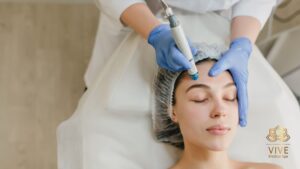
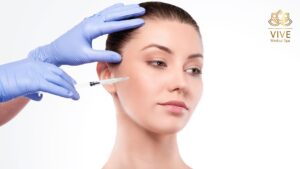

Microneedling has gained popularity in both medical and cosmetic settings. Many devices look similar at first glance. Significant differences exist between medical microneedling and superficial cosmetic treatments.
Understanding these distinctions helps patients choose the safest and most effective option for their skin goals.
Microneedling creates controlled micro-injuries in the skin.
These micro-channels stimulate the body’s natural healing response.
Collagen and elastin production increases during repair.
Skin texture and firmness improve over time.
Depth and precision determine the level of stimulation achieved.
Medical microneedling operates under clinical supervision.
Licensed professionals perform the procedure using medical-grade devices.
The treatment penetrates deeper layers of the skin.
Depth adjustments target specific concerns with precision.
Sterile technique and advanced training elevate safety standards.
Cosmetic microneedling often treats only the superficial epidermis.
Medical microneedling reaches the dermis where collagen forms.
Deeper penetration stimulates stronger remodeling.
Customized depth settings allow targeted correction.
Common treatment depths range between 0.5 mm and 2.5 mm depending on area.
Thicker skin tolerates greater depth.
Medical devices use high-speed, motorized systems.
Consistent needle penetration ensures uniform results.
Adjustable settings allow controlled treatment intensity.
Professional-grade cartridges maintain sterile conditions.
Consumer rollers lack precision and depth control.
Inconsistent pressure may cause uneven stimulation.
Medical microneedling addresses more complex skin concerns.
Providers commonly treat:
Deeper collagen remodeling supports structural improvement.
Surface-level treatments cannot achieve the same level of correction.
Training influences outcomes significantly.
Medical professionals understand facial anatomy and wound healing.
Proper technique reduces risk of complications.
Individualized treatment plans enhance results.
Clinical assessment determines candidacy and depth selection.
Experience supports safe parameter adjustments.
Medical microneedling often integrates advanced therapies.
Providers may combine it with:
Combination therapy amplifies collagen stimulation.
Professional supervision ensures compatibility and safety.
Medical environments follow strict hygiene protocols.
Sterile, single-use needle cartridges prevent contamination.
Skin cleansing and preparation meet clinical standards.
Monitoring during treatment protects patient comfort.
Professional oversight reduces infection risk.
Providers typically apply topical numbing cream before deeper sessions.
The device glides across the skin in controlled passes.
Mild pinpoint bleeding may occur at deeper depths.
Redness develops immediately after treatment.
Downtime usually lasts several days depending on intensity.
Patients often describe a sunburn-like sensation.
Initial redness may persist for 24 to 72 hours.
Mild swelling can appear temporarily.
Skin texture may feel rough during early healing.
Collagen remodeling continues beneath the surface for weeks.
Visible improvement develops gradually.
Multiple sessions optimize long-term outcomes.
Medical microneedling stimulates deeper structural change.
Dermal remodeling supports firmer skin architecture.
Collagen synthesis continues after visible redness resolves.
Surface treatments focus primarily on temporary glow.
Clinical depth promotes durable improvement.
Improper technique may damage skin barrier.
Unsterile tools increase infection risk.
Excessive pressure can cause scarring.
Lack of training may result in uneven texture.
Medical supervision minimizes preventable complications.
Healthy individuals seeking skin rejuvenation often qualify.
Candidates typically want improvement in:
Active infections may require postponement.
Certain medical conditions need professional evaluation.
Personalized consultation ensures safe treatment planning.
Confidence increases when treatment occurs in a clinical setting.
Clear explanations reduce anxiety.
Structured treatment plans build trust.
Patients appreciate measurable, progressive improvement.
Medical supervision provides reassurance throughout the process.
Collagen loss accelerates with age.
Medical microneedling encourages regenerative activity.
Regular sessions can support maintenance.
Professional guidance aligns treatment with aging patterns.
Preventive care strengthens skin resilience.
Medical microneedling differs from cosmetic alternatives in depth, precision, safety, and results. Clinical expertise allows targeted collagen stimulation within the dermis. Advanced technology ensures consistent penetration and measurable outcomes.
Choosing medical-grade treatment at VIVE Medical Spa supports long-term skin health and visible improvement. A personalized consultation determines the right depth, frequency, and combination approach for your unique skin goals.
COME TO TIJUANA TO MEET US
VIVE Medical Spa is a health and beauty clinic located in Tijuana, Mexico, fuve minutes from the US border.
We have the best team of certified doctors, properly trained professional staff, nd the latest technology at the best prices.
TIJUANA OFFICE
101 – 102, Diego Rivera 2351,
Zona Urbana Rio Tijuana,
22010 Tijuana, B.C.
Open Today 9:00am – 6:00pm
CONTACT US
Today

*Disclaimer: results are not guaranteed, may not be permanent, and can vary per individual. Some images are of models, not actual patients.
©2023 Vive Medical Spa | Designed & Developed by Abundiss Services
Sitemap | Privacy Policy | Login

TIJUANA OFFICE
