Many patients with darker skin tones worry about treatments that could cause hyperpigmentation or skin damage. Procedures such as aggressive lasers or deep chemical peels sometimes create complications for melanin-rich skin.
Microneedling has become a popular option because it works differently from many other skin treatments. The procedure stimulates collagen production while preserving the surface layer of the skin. This approach reduces the risk of pigmentation issues and makes the treatment suitable for a wide range of skin types.
Understanding how microneedling interacts with darker skin tones helps patients make informed decisions about skin rejuvenation.
How Microneedling Works
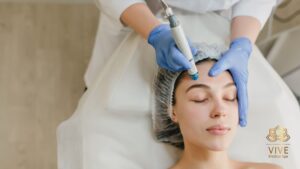
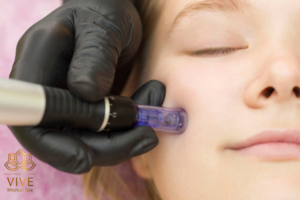
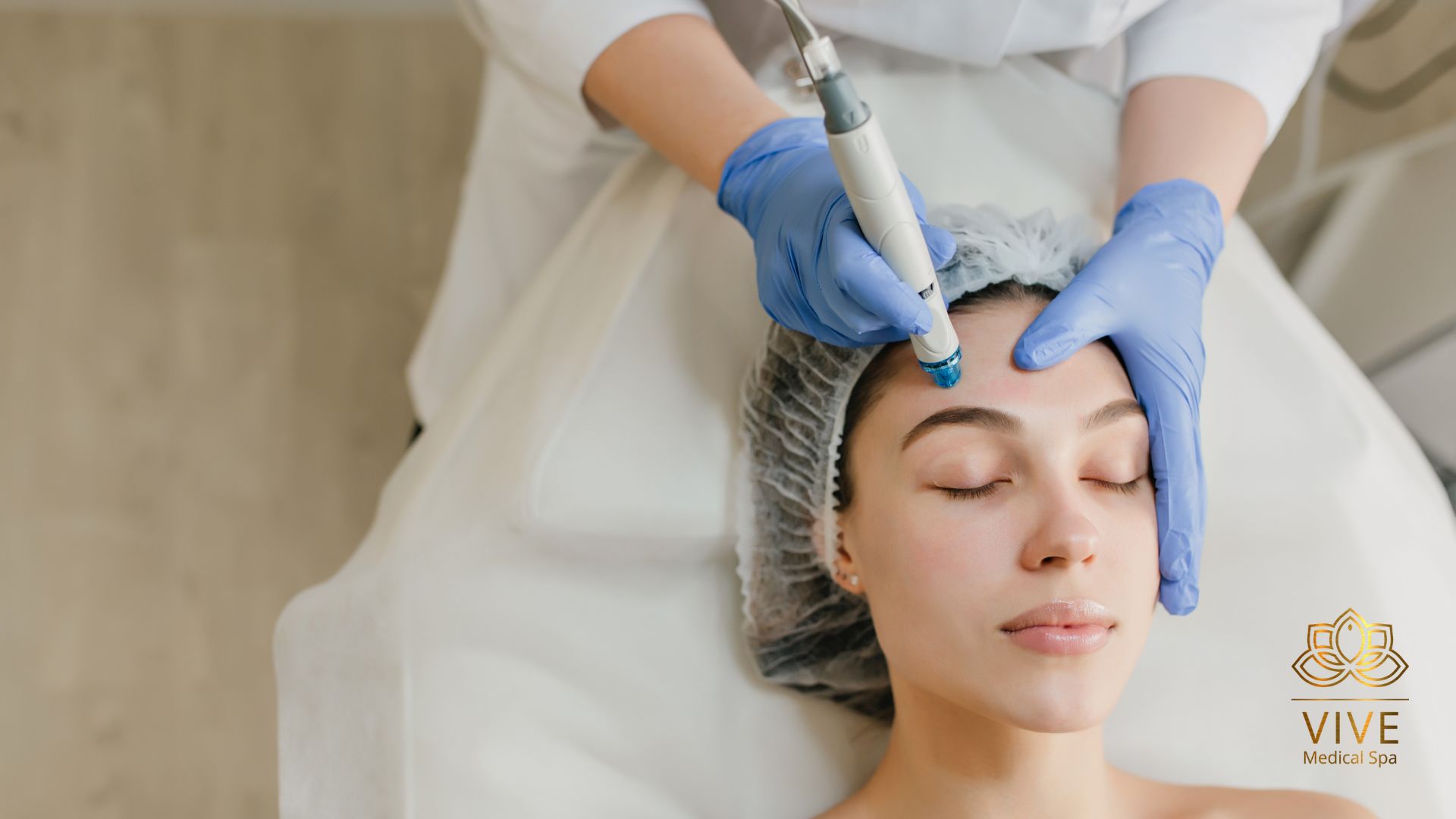
Microneedling uses a device that contains many very small needles. The device creates controlled micro-injuries in the skin. These tiny punctures activate the body’s natural healing response.
During the healing process, the skin produces new collagen and elastin. These proteins help improve firmness, smoothness, and elasticity.
This process can address several skin concerns:
- Fine lines and early wrinkles
- Acne scars
- Uneven skin texture
- Enlarged pores
- Mild hyperpigmentation
- Stretch marks
Because the treatment focuses on controlled stimulation rather than heat damage, it works well for multiple skin tones.
Why Skin Tone Matters in Aesthetic Treatments
Melanin provides natural pigment in the skin. Higher melanin levels increase the risk of post-inflammatory hyperpigmentation (PIH) after certain cosmetic procedures.
Some treatments create heat or aggressive exfoliation that can trigger pigment changes.
Examples include:
- Certain laser treatments
- Deep chemical peels
- Aggressive resurfacing procedures
Microneedling does not rely on heat or strong chemical reactions. This characteristic reduces the likelihood of pigment disruption.
Benefits of Microneedling for Darker Skin
Patients with darker skin tones often choose microneedling because it offers several advantages.
Benefits may include:
- Lower risk of hyperpigmentation compared to some lasers
- Improvement in acne scars and skin texture
- Stimulation of natural collagen production
- Minimal downtime
- Gradual, natural-looking results
These benefits make microneedling a versatile treatment for many skin concerns.
Ideal Candidates
Microneedling can benefit many individuals with melanin-rich skin.
Good candidates often include patients who want to improve:
- Acne scars
- Uneven texture
- Fine lines
- Enlarged pores
- Mild pigmentation issues
Patients with active skin infections, severe acne outbreaks, or certain medical conditions should consult a provider before treatment.
What to Expect During the Procedure
A typical microneedling session involves several steps:
- Cleansing and preparing the skin
- Applying a topical numbing cream for comfort
- Passing the microneedling device across treatment areas
- Applying soothing serums or hydrating products afterward
The treatment usually takes 30 to 60 minutes, depending on the size of the treatment area.
Recovery and Downtime
Recovery after microneedling is usually mild.
Patients may notice:
- Mild redness similar to a sunburn
- Slight swelling
- Skin sensitivity for one to three days
The skin typically heals quickly as collagen production begins.
Proper post-treatment care helps prevent pigmentation issues.
Recommended care includes:
- Daily sunscreen use
- Gentle moisturizers
- Avoiding harsh skincare products for several days
- Limiting sun exposure during healing
Combining Microneedling with Other Treatments
Providers sometimes combine microneedling with additional therapies to enhance results.
These may include:
- PRP (platelet-rich plasma)
- Hydrating serums
- Brightening ingredients
- Medical-grade skincare products
Combination treatments can improve skin tone, texture, and overall radiance.
Importance of Professional Treatment
Professional training and experience matter greatly with microneedling. Improper needle depth or poor technique could irritate the skin and increase the risk of pigmentation changes.
Patients should seek treatment from experienced providers who understand skin of color and proper device settings.
A personalized approach ensures safer and more effective results.
Questions to Ask Your Provider
Patients considering microneedling should ask:
- Is microneedling safe for my specific skin tone?
- How many sessions will I need?
- What needle depth will be used?
- How should I prepare for treatment?
- What aftercare steps reduce pigmentation risks?
Clear guidance helps patients feel confident about their treatment.
Final Thoughts
Microneedling is generally considered safe and effective for darker skin tones when performed by trained professionals. The treatment stimulates collagen, improves texture, and addresses several common skin concerns with minimal risk of pigmentation problems.
At VIVE Medical Spa, experienced providers create personalized microneedling treatments designed to improve skin health while respecting the unique needs of every skin type.