




Healthy, youthful-looking skin depends on a strong structural foundation. Two proteins play a central role in maintaining that foundation: collagen and elastin. Together, they provide firmness, elasticity, and smooth texture. As we age, however, our bodies naturally produce less collagen, leading to fine lines, enlarged pores, acne scars, and skin laxity.
Microneedling has become one of the most popular minimally invasive skin rejuvenation treatments because it works with the body’s natural healing process rather than simply treating the surface of the skin. Instead of adding volume or removing layers of tissue, microneedling stimulates the skin to repair itself from within.
Understanding the science behind collagen induction helps explain why this treatment has become an effective option for improving overall skin quality.
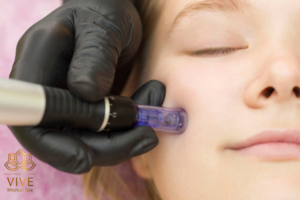
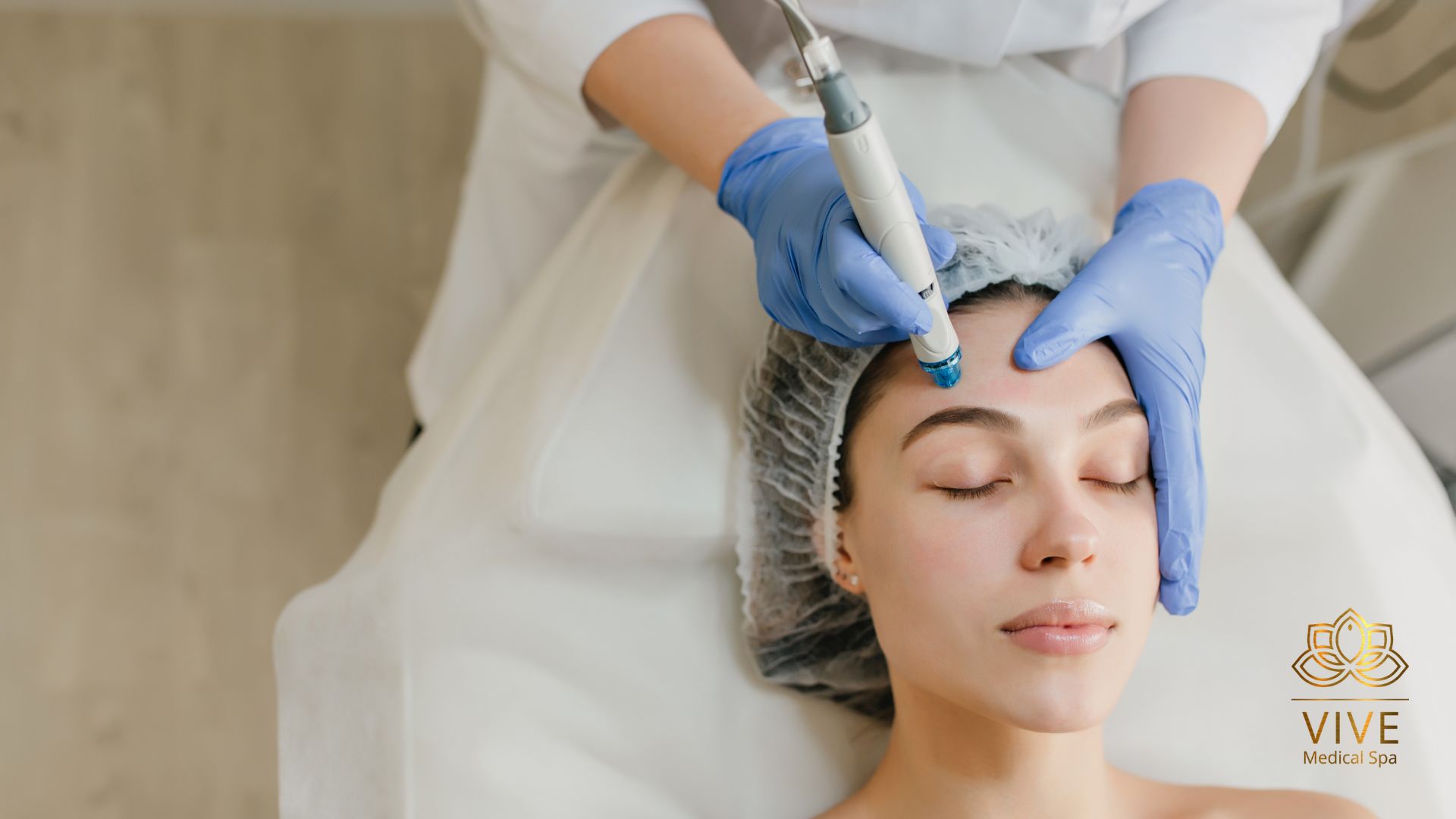
Microneedling, also known as collagen induction therapy, is a procedure that uses a device equipped with multiple sterile, ultra-fine needles to create controlled micro-injuries in the skin.
Although the term “injury” may sound concerning, these microscopic channels are precisely controlled and designed to trigger the body’s natural wound-healing response without causing significant damage to surrounding tissue.
The goal is not to injure the skin, but to encourage it to regenerate.
Collagen is the most abundant structural protein in the human body.
Within the skin, collagen fibers form a supportive framework that helps maintain:
Beginning in our mid-20s, collagen production gradually declines. Environmental factors such as ultraviolet (UV) exposure, smoking, pollution, and chronic inflammation can accelerate this process.
As collagen decreases, the skin becomes thinner and less resilient, making wrinkles, scars, and uneven texture more noticeable.
The effectiveness of microneedling lies in the body’s remarkable ability to heal itself.
When the tiny needles create controlled microchannels in the skin, the body interprets them as minor injuries and immediately activates a complex repair process.
This process occurs in several phases.
Immediately after treatment, the immune system responds by increasing blood flow to the treated area.
Specialized cells release signaling molecules known as growth factors, which coordinate tissue repair.
Although mild redness may be visible, this inflammatory response is a normal and essential part of the healing process.
Over the following days, fibroblasts—the skin cells responsible for producing collagen and elastin—become highly active.
These cells begin synthesizing new structural proteins that help rebuild the skin from within.
This stage is where much of the long-term improvement begins.
Over the next several weeks and even months, newly formed collagen fibers reorganize and mature.
This gradual remodeling strengthens the skin’s support structure and contributes to improvements in:
Because collagen remodeling takes time, the most significant improvements often develop progressively after treatment.
Growth factors are naturally occurring proteins that help regulate healing and tissue regeneration.
Following microneedling, these molecules stimulate:
This biological cascade explains why microneedling works beneath the skin’s surface rather than simply producing temporary cosmetic changes.
By encouraging collagen remodeling, microneedling may help improve a variety of skin concerns, including:
The degree of improvement varies depending on individual skin characteristics and treatment goals.
Collagen production is gradual.
While many patients notice healthier-looking skin after a single session, collagen remodeling continues over time and often benefits from repeated stimulation.
Depending on the condition being treated, a provider may recommend a series of treatments spaced several weeks apart to support ongoing collagen production.
The exact treatment plan is individualized for each patient.
Unlike more aggressive resurfacing procedures, microneedling does not primarily work by removing the outer layer of skin.
Instead, it stimulates biological repair beneath the surface while preserving much of the skin’s protective barrier.
This contributes to relatively short downtime for many patients compared with more intensive resurfacing treatments.
Although at-home microneedling devices exist, professional treatments use medical-grade equipment capable of reaching controlled depths appropriate for different areas of the face and body.
A trained provider can adjust needle depth based on:
This personalized approach helps maximize effectiveness while maintaining patient safety.
The healing process continues well after the appointment.
Following post-treatment instructions may help support optimal skin recovery.
Patients are often advised to:
Healthy lifestyle habits, including proper nutrition and sun protection, also contribute to long-term skin health.
Microneedling stimulates collagen production by creating controlled micro-injuries that activate the body’s natural wound-healing response. As fibroblasts produce new collagen and elastin, the skin gradually becomes firmer, smoother, and more refined. Because this process occurs over time, improvements continue to develop as collagen remodels beneath the surface.
At VIVE Medical Spa, microneedling treatments are customized to each patient’s skin type, concerns, and aesthetic goals. Our experienced team uses advanced techniques to promote healthy collagen production while prioritizing patient comfort, safety, and natural-looking skin rejuvenation.
COME TO TIJUANA TO MEET US
VIVE Medical Spa is a health and beauty clinic located in Tijuana, Mexico, fuve minutes from the US border.
We have the best team of certified doctors, properly trained professional staff, nd the latest technology at the best prices.
TIJUANA OFFICE
101 – 102, Diego Rivera 2351,
Zona Urbana Rio Tijuana,
22010 Tijuana, B.C.
Open Today 9:00am – 6:00pm
CONTACT US
Today

*Disclaimer: results are not guaranteed, may not be permanent, and can vary per individual. Some images are of models, not actual patients.
©2023 Vive Medical Spa | Designed & Developed by Abundiss Services
Sitemap | Privacy Policy | Login

TIJUANA OFFICE
