Platelet-Rich Plasma (PRP) has become a popular treatment in both aesthetic and medical fields because of its ability to support the body’s natural healing processes. Since it uses components from a patient’s own blood to stimulate tissue repair, many people wonder whether PRP is considered a form of regenerative medicine.
The short answer is yes. PRP is widely recognized as a regenerative medicine treatment because it encourages the body to repair and renew tissues using its own biological mechanisms.
What Is Regenerative Medicine?
Regenerative medicine is a branch of healthcare focused on helping the body restore, repair, or regenerate damaged tissues.
Rather than simply treating symptoms, regenerative therapies aim to support the body’s natural healing processes.
Examples include treatments that promote:
- Tissue repair
- Collagen production
- Cellular communication
- Wound healing
- Natural regeneration
PRP fits within this category because it stimulates biological processes already present in the body.
What Is PRP?
Platelet-Rich Plasma is created by collecting a small sample of the patient’s blood.
The blood is then processed in a centrifuge to separate its components and concentrate the platelets.
The resulting plasma contains:
- A high concentration of platelets
- Growth factors
- Bioactive proteins
- Other molecules involved in tissue healing
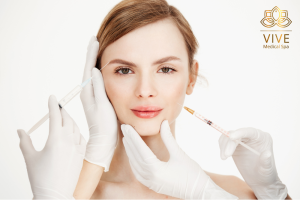
This concentrated plasma is then injected into the treatment area.
Why Are Platelets Important?
Platelets are best known for helping blood clot after an injury, but they also play a critical role in tissue repair.
When activated, platelets release growth factors that help regulate healing by:
- Attracting repair cells
- Stimulating collagen production
- Encouraging new blood vessel formation
- Supporting tissue remodeling
These natural signals are what make PRP a regenerative treatment.
How PRP Stimulates Regeneration
Once injected, PRP releases growth factors that communicate with nearby cells.
These signals encourage the body to:
- Repair damaged tissue
- Produce new collagen
- Improve circulation
- Support healthy cell function
Importantly, PRP does not introduce synthetic materials or foreign substances into the body.
Instead, it enhances natural healing mechanisms.
PRP in Aesthetic Medicine
In cosmetic treatments, PRP is commonly used to improve skin quality.
Potential benefits include:
- Improved skin texture
- Enhanced skin tone
- Increased collagen production
- Better overall skin appearance
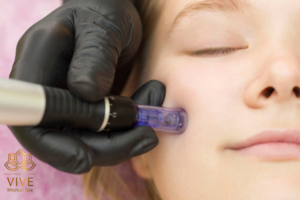
PRP may also be combined with treatments such as microneedling to further stimulate skin renewal.
PRP for Hair Restoration
PRP is also frequently used in hair restoration.
Growth factors released by platelets may help:
- Support hair follicle health
- Encourage thicker-looking hair
- Improve the scalp environment
- Complement other hair restoration treatments
PRP is often incorporated into comprehensive hair restoration plans.
Is PRP the Same as Stem Cell Therapy?
No.
Although both belong to the field of regenerative medicine, they are different treatments.
PRP uses:
- The patient’s own platelets
- Naturally occurring growth factors
Stem cell therapies involve specialized cells with different biological functions.
These treatments are not interchangeable.
Is PRP Safe?
Because PRP is prepared from the patient’s own blood, the risk of allergic reactions or rejection is very low.
When performed by qualified medical professionals using sterile techniques, PRP has an excellent safety profile.
However, as with any medical procedure, a professional evaluation is necessary to determine whether the treatment is appropriate.
Who May Be a Candidate?
PRP may be appropriate for individuals seeking minimally invasive treatments to support natural tissue regeneration.
Suitability depends on factors such as:
- Overall health
- Medical history
- Treatment goals
- The condition being addressed
A consultation helps determine whether PRP is the right option.
Final Thoughts
PRP is considered a form of regenerative medicine because it uses concentrated platelets and growth factors from the patient’s own blood to stimulate the body’s natural repair processes. Rather than masking concerns, it works with your biology to encourage tissue renewal and collagen production.
At VIVE Medical Spa, PRP treatments are personalized to each patient’s needs and aesthetic goals. Our team develops evidence-based treatment plans that harness the body’s natural regenerative potential to promote healthier skin and natural-looking rejuvenation.