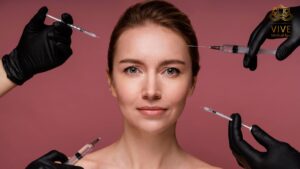
Botox is often associated with treating visible wrinkles—but increasingly, younger patients are using it as a preventative treatment before deep lines fully develop.
This trend has raised an important question:
Can starting Botox early actually prevent wrinkles?
The short answer is: in many cases, yes—but it depends on the patient, technique, and expectations.
What Is Preventative Botox?
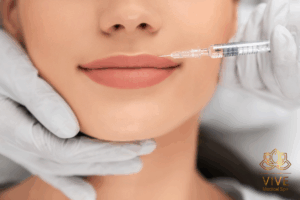
Preventative Botox refers to using botulinum toxin injections before wrinkles become deeply etched into the skin.
Instead of correcting established lines, the goal is to:
- Reduce repetitive muscle movement
- Slow wrinkle formation
- Maintain smoother skin over time
It is most commonly used in areas where dynamic wrinkles develop first.
How Wrinkles Form
Many facial wrinkles begin as dynamic lines, meaning they appear only during movement.
Examples include:
- Frown lines (“11s”)
- Forehead lines
- Crow’s feet
Over time, repeated muscle contractions cause these lines to become:
- More noticeable
- Permanent, even at rest
Preventative Botox aims to interrupt this process early.
How Preventative Botox Works
Botox temporarily relaxes targeted facial muscles.
By reducing repetitive movement:
- The skin folds less frequently
- Collagen breakdown may slow
- Wrinkles may develop more gradually
The idea is not to freeze expression completely, but to reduce excessive muscle activity before deep creases form.
At What Age Do People Start?
There is no universal “correct” age.
Many patients begin preventative Botox in their:
- Mid-to-late 20s
- Early 30s
However, age alone is not the best indicator.
Factors that matter more include:
- Facial muscle strength
- Genetics
- Sun exposure
- Skin quality
- Expression patterns
Some people develop lines earlier than others.
Does Starting Early Mean Better Long-Term Results?
Potentially, yes.
Patients who begin treatment before wrinkles become deeply established may:
- Delay visible aging signs
- Need less correction later
- Maintain smoother skin longer
However, preventative Botox is not about eliminating aging—it’s about slowing certain aspects of it.
Common Areas for Preventative Botox
Forehead
Helps soften repetitive horizontal lines.
Glabellar Lines (“11s”)
One of the most common preventative areas due to strong muscle activity.
Crow’s Feet
Can reduce early fine lines caused by smiling and squinting.
Can You Start Too Early?
Yes—sometimes.
Not everyone in their early 20s needs Botox. Over-treatment or unnecessary treatment can lead to:
- Unnatural appearance
- Muscle imbalance
- Poor long-term aesthetic outcomes
A conservative, individualized approach is essential.
The Goal: Natural Movement
Modern preventative Botox focuses on:
- Softening excessive movement
- Preserving facial expression
- Maintaining natural-looking results
The objective is subtle prevention—not a frozen face.
Factors That Influence Results
Preventative Botox works best when combined with:
- Daily sunscreen use
- Proper skincare
- Healthy lifestyle habits
- Consistent treatment timing
Botox alone cannot fully prevent aging.
How Often Is It Needed?
Most patients maintain treatment every:
However, preventative patients may sometimes require:
- Smaller doses
- Less frequent maintenance
Is Preventative Botox Worth It?
For many patients, the answer is yes—especially if they:
- Have strong facial expressions
- Notice early dynamic lines
- Want a proactive approach to aging
Still, treatment should always be personalized rather than trend-driven.
Final Thoughts
Preventative Botox can help slow the development of expression lines by reducing repetitive muscle movement before wrinkles become deeply set. Starting early may make a difference for some patients—but only when done thoughtfully and conservatively.
At VIVE Medical Spa, preventative Botox treatments are carefully customized to preserve natural expression while supporting long-term skin aging prevention and facial balance.