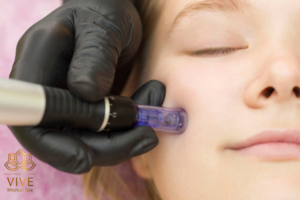
Dermal fillers are one of the most popular non-surgical treatments for restoring volume, smoothing wrinkles, and enhancing facial features. One of the most common questions patients ask is: how long do dermal fillers actually last?
The answer varies depending on several factors, including the type of filler used, the treatment area, and individual metabolism.
What Are Dermal Fillers?
Dermal fillers are injectable substances designed to:
- Restore lost volume
- Smooth fine lines and wrinkles
- Enhance facial contours
- Improve overall facial balance
Most commonly, fillers are made from hyaluronic acid (HA), a substance naturally found in the body.
Average Duration of Dermal Fillers
On average, dermal fillers last between 6 months to 18 months.
However, this range can vary significantly based on:
- Type of filler
- Area treated
- Patient’s metabolism
- Lifestyle factors
Some newer formulations may last even longer in certain areas.
Duration by Treatment Area
Different areas of the face metabolize filler at different rates.
Lips
- Typically last 6 to 9 months
- High movement leads to faster breakdown
Cheeks
- Last around 12 to 18 months
- Less movement allows longer duration
Under-Eye Area (Tear Trough)
- Can last 12 months or more
- Delicate area with slower metabolism
Jawline and Chin
- Often last 12 to 18 months
- Denser fillers are usually used
Type of Filler Matters
Not all fillers are the same.
- Softer fillers (used in lips): shorter duration
- Thicker, more structured fillers (used in cheeks/jawline): longer-lasting
Your provider will select the appropriate filler based on your goals and anatomy.
Metabolism and Lifestyle Factors
Your body naturally breaks down filler over time.
Factors that can affect longevity include:
- Faster metabolism
- High levels of physical activity
- Smoking
- Sun exposure
These can lead to quicker breakdown of the product.
Do Fillers Dissolve Completely?
Yes, most hyaluronic acid fillers are gradually absorbed by the body.
However:
- Results fade progressively, not suddenly
- Some structural improvements may remain longer
- Maintenance treatments help preserve results
How to Make Fillers Last Longer
While fillers are temporary, there are ways to extend their effects.
Tips include:
- Follow a consistent skincare routine
- Stay hydrated
- Protect your skin from sun exposure
- Avoid smoking
- Schedule maintenance treatments
Small touch-ups can help maintain a natural look over time.
When Should You Get a Touch-Up?
Touch-up timing varies, but many patients return:
- Every 6 to 12 months depending on the area
- Before full dissipation for more consistent results
Regular maintenance often requires less product over time.
Are Longer-Lasting Fillers Better?
Not necessarily.
The best filler depends on:
- Treatment area
- Desired look
- Flexibility and movement of the area
Sometimes shorter-lasting fillers are preferred for more natural, adjustable results.
What to Expect Over Time
As filler gradually breaks down, you may notice:
- Subtle loss of volume
- Return of fine lines
- Slight changes in contour
These changes are gradual and can be managed with follow-up treatments.
Questions to Ask Your Provider
Before treatment, consider asking:
- How long will this filler last in my case?
- What type of filler are you using?
- When should I plan for maintenance?
- How can I extend my results?
- What happens if I don’t maintain it?
A personalized plan ensures better, longer-lasting outcomes.
Final Thoughts
Dermal fillers typically last between 6 and 18 months, depending on the area treated, product used, and individual factors. While they are not permanent, they offer flexible, natural-looking enhancements that can be maintained over time.
At VIVE Medical Spa, treatments are tailored to each patient’s goals, using high-quality fillers and personalized plans to achieve balanced, natural, and long-lasting results.