


If you’re looking for healthier, brighter, and smoother skin without surgery or significant downtime, you’ve probably come across two popular treatments: Diamond Glow and Hydrafacial.
Both are designed to improve skin quality, enhance radiance, and support long-term skin health. Both are non-invasive, require little to no downtime, and can be customized to address a variety of skin concerns.
So naturally, many patients ask:
Which one is better?
The truth is that neither treatment is universally superior. Each has unique strengths, and the best choice depends on your skin type, concerns, and aesthetic goals.
Let’s take a closer look at how these treatments work and what sets them apart.
Diamond Glow is a professional skin resurfacing treatment that combines:
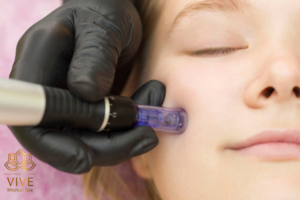
The treatment uses a diamond-tipped wand that physically exfoliates the skin while simultaneously removing debris and delivering condition-specific serums.
Unlike some traditional facials that focus primarily on cleansing, Diamond Glow aims to improve skin health through controlled resurfacing and targeted ingredient delivery.
Hydrafacial is a multi-step treatment that combines:
Using patented vortex technology, Hydrafacial gently removes impurities while delivering hydrating and nourishing solutions into the skin.
The treatment is known for its immediate glow, minimal irritation, and suitability for a wide range of skin types.
Before discussing the differences, it’s important to understand what these treatments have in common.
Both treatments:
Both are popular choices for patients seeking regular skin maintenance and rejuvenation.
One of the biggest differences is how exfoliation occurs.
Diamond Glow uses a physical exfoliation method through a diamond-tipped wand.
This controlled resurfacing removes the outermost layer of dead skin cells while preparing the skin for serum penetration.
Because of this approach, some patients feel Diamond Glow provides a more intensive exfoliation experience.
Hydrafacial uses a combination of:
The process is generally considered very gentle while still effectively removing impurities.
Because Diamond Glow uses a diamond tip for mechanical exfoliation, it may provide more noticeable skin resurfacing for certain patients.
This can be appealing for concerns such as:
Patients seeking a stronger exfoliation experience may be particularly interested in Diamond Glow.
Hydration is where Hydrafacial often shines.
The treatment is specifically designed to infuse the skin with:
Many patients notice an immediate “plump” and refreshed appearance after treatment.
For individuals with:
Hydrafacial may be especially appealing.
Both treatments offer customizable serums.
Depending on your concerns, providers may select products targeting:
The exact options vary depending on the provider and available treatment protocols.
Patients often describe Diamond Glow as:
Hydrafacial is frequently described as:
Neither treatment is typically considered painful.
Many candidates are actually suitable for either treatment.
Both treatments provide relatively quick results.
Patients may notice:
Patients often notice:
Results can continue improving over the following days.
Neither treatment is usually considered a one-time procedure.
Many patients choose ongoing maintenance treatments every:
Regular treatments can help maintain improvements in:
In some long-term skincare plans, patients may alternate treatments depending on seasonal needs and changing skin concerns.
For example:
A customized treatment plan can help determine the best schedule.
The answer depends entirely on your goals.
Many patients achieve excellent results with either option.
Diamond Glow and Hydrafacial are both effective, non-invasive treatments that can improve skin quality, radiance, and overall appearance. The main differences lie in their approach to exfoliation, hydration, and skin resurfacing.
At VIVE Medical Spa, treatment recommendations are personalized based on each patient’s skin type, concerns, and long-term goals to help achieve healthier, brighter, and more confident-looking skin.
COME TO TIJUANA TO MEET US
VIVE Medical Spa is a health and beauty clinic located in Tijuana, Mexico, fuve minutes from the US border.
We have the best team of certified doctors, properly trained professional staff, nd the latest technology at the best prices.
TIJUANA OFFICE
101 – 102, Diego Rivera 2351,
Zona Urbana Rio Tijuana,
22010 Tijuana, B.C.
Open Today 9:00am – 6:00pm
CONTACT US
Today

*Disclaimer: results are not guaranteed, may not be permanent, and can vary per individual. Some images are of models, not actual patients.
©2023 Vive Medical Spa | Designed & Developed by Abundiss Services
Sitemap | Privacy Policy | Login

TIJUANA OFFICE
