Acne scars can affect both skin texture and confidence, leading many patients to seek effective, non-surgical solutions. One common question is: can chemical peels actually improve acne scars?
The answer is yes—chemical peels can help, but their effectiveness depends on the type of scars, the depth of the peel, and your skin type.
What Are Chemical Peels?
Chemical peels are treatments that use specialized solutions to exfoliate the skin and promote cell turnover.
They work by:
- Removing damaged outer layers
- Stimulating new skin growth
- Improving tone and texture
Different types of peels vary in strength and depth.
Types of Acne Scars
Not all acne scars respond the same way to treatment.
Superficial Scars
- Mild texture irregularities
- Post-acne marks or discoloration
These respond well to chemical peels.
Atrophic Scars
- Depressed scars (ice pick, boxcar, rolling)
Peels can improve their appearance but may require combination treatments.
Hypertrophic Scars
Chemical peels are generally less effective for these.
How Chemical Peels Help
Chemical peels can improve acne scars by:
- Smoothing uneven texture
- Fading dark spots (post-inflammatory hyperpigmentation)
- Stimulating collagen production (with deeper peels)
- Enhancing overall skin clarity
Results are usually gradual and improve with multiple sessions.
Types of Peels for Acne Scars
Different peels are used depending on the severity of scarring.
Superficial Peels
- Light exfoliation
- Minimal downtime
- Good for discoloration and mild texture
Medium Peels
- Deeper penetration
- More noticeable improvement
- Moderate downtime
Deep Peels
- Significant skin resurfacing
- Longer recovery
- Used for more advanced concerns
Your provider will recommend the appropriate depth.
How Many Sessions Are Needed?
Most patients need a series of treatments.
- Mild scars: 3–6 sessions
- Moderate concerns: multiple sessions over time
Spacing between sessions allows the skin to heal and regenerate.
What Results Can You Expect?
Chemical peels can:
- Improve skin tone and brightness
- Reduce the appearance of mild scars
- Soften uneven texture
However, they may not completely eliminate deeper scars.
Combining Treatments for Better Results
For more noticeable acne scars, chemical peels are often combined with:
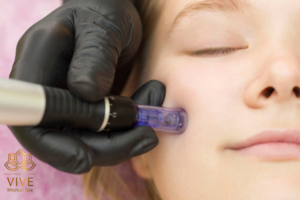
- Microneedling
- Laser treatments
- Medical-grade skincare
Combination therapy can enhance overall results.
Are Chemical Peels Safe?
Chemical peels are generally safe when performed by trained professionals.
Possible side effects include:
- Redness
- Peeling
- Temporary sensitivity
Proper aftercare reduces risks and supports healing.
Considerations for Different Skin Types
Patients with darker skin tones may be more prone to hyperpigmentation.
Customized treatment plans help:
- Reduce risks
- Ensure safe results
- Optimize outcomes
Professional guidance is essential.
Aftercare Is Key
Post-treatment care plays a major role in results.
Important steps include:
- Avoid sun exposure
- Use sunscreen daily
- Keep skin hydrated
- Follow provider instructions
Proper care helps protect and enhance results.
Questions to Ask Your Provider
Before starting treatment, ask:
- What type of peel is best for my scars?
- How many sessions will I need?
- What results can I expect?
- Should I combine treatments?
- What is the recovery process like?
A personalized plan ensures better outcomes.
Final Thoughts
Chemical peels can be an effective option for improving acne scars, especially mild to moderate cases. While they may not completely remove deeper scars, they can significantly enhance skin texture, tone, and overall appearance.
At VIVE Medical Spa, treatments are customized to each patient’s skin type and concerns, using advanced techniques to safely improve acne scars and achieve smoother, healthier-looking skin.