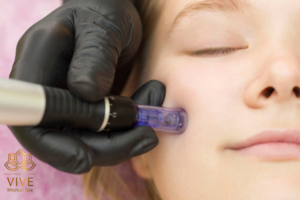
Microneedling, also known as collagen induction therapy, has gained popularity for addressing fine lines and early signs of aging. The procedure uses tiny needles to create controlled micro-injuries in the skin. These micro-injuries stimulate the body’s natural healing response, encouraging collagen and elastin production.
Patients often ask whether this treatment effectively smooths fine lines and restores youthful texture. Evidence and clinical experience suggest it can provide noticeable improvements when performed correctly.
How Microneedling Works
The procedure relies on the skin’s natural repair mechanisms:
- Tiny needles penetrate the epidermis and dermis
- Controlled micro-injuries trigger collagen and elastin production
- Enhanced blood flow brings nutrients and oxygen to treated areas
- New tissue formation improves elasticity, firmness, and smoothness
By stimulating collagen, microneedling targets fine lines, wrinkles, and overall skin texture.
Ideal Candidates
Microneedling suits patients with:
- Early signs of fine lines and wrinkles
- Mild to moderate skin laxity
- Uneven texture, enlarged pores, or mild scarring
- Desire for non-surgical rejuvenation
Patients with active infections, certain skin conditions, or compromised healing should consult their provider before treatment.
Procedure Overview
Microneedling typically involves:
- Cleansing and numbing the skin for comfort
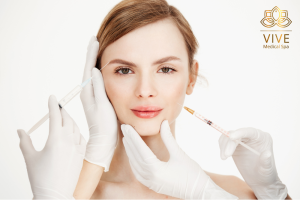
- Passing a microneedling device over targeted areas
- Optional application of serums to enhance absorption
- Gentle post-treatment care to promote healing
Sessions usually take 30–60 minutes depending on the treatment area.
Frequency and Results
Optimal results require multiple sessions:
- Standard protocol: 3–6 sessions spaced 4–6 weeks apart
- Improvement appears gradually as collagen builds
- Results continue to enhance over several months
- Maintenance treatments every 6–12 months may prolong benefits
Consistency and professional technique maximize outcomes.
Safety and Side Effects
Microneedling is generally safe with minimal downtime:
- Redness or mild swelling for 1–3 days
- Minor pinpoint bleeding immediately after treatment
- Temporary sensitivity or dryness
- Rare infection if proper hygiene is not maintained
Following post-treatment care reduces risks and ensures optimal results.
Complementary Treatments
Microneedling works well with other procedures:
- PRP (Platelet-Rich Plasma): Enhances collagen stimulation and healing
- Topical serums: Vitamins, antioxidants, or hyaluronic acid improve skin quality
- Chemical peels: Exfoliate and smooth surface texture
- Laser treatments: Address deeper wrinkles or pigmentation concerns
Combination treatments provide comprehensive skin rejuvenation.
Post-Treatment Care
Patients should follow care guidelines:
- Avoid sun exposure and use SPF daily
- Keep skin hydrated with gentle moisturizers
- Avoid harsh exfoliants or active ingredients for several days
- Refrain from makeup for 24 hours if possible
Proper care enhances collagen development and minimizes irritation.
Expected Benefits
Microneedling can:
- Reduce fine lines and shallow wrinkles
- Improve skin texture and smoothness
- Minimize pore size and uneven tone
- Stimulate long-term collagen and elastin production
- Enhance absorption of skincare products
Patients often notice subtle improvements after the first session and cumulative results over time.
Questions to Ask Your Provider
Patients should ask:
- How many sessions will I need for fine lines?
- Can microneedling be combined with PRP or other treatments?
- What post-care steps are essential for optimal results?
- Are there any risks specific to my skin type?
- How long will it take to see noticeable improvements?
Clear guidance ensures safe, effective, and personalized treatment.
Final Thoughts
Microneedling offers a minimally invasive, effective solution for fine lines when performed by a trained professional. Regular sessions, proper care, and optional combination therapies maximize results and support youthful, healthy-looking skin.
Consultation at VIVE Medical Spa provides individualized assessment, treatment planning, and follow-up to achieve safe, long-lasting, and natural-looking improvements.