





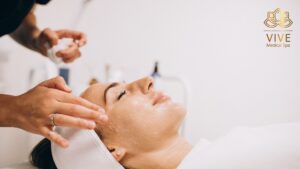
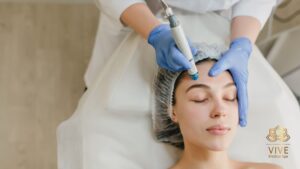

Skin constantly regenerates, yet dead cells often accumulate on the surface. This buildup can create dullness, rough texture, uneven tone, and clogged pores. Chemical peels accelerate natural renewal by removing damaged outer layers in a controlled way.
The treatment encourages fresh cell turnover and smoother skin without surgery.
Environmental and internal factors slow natural exfoliation.
Common contributors include:
Dead skin cells remain attached longer as collagen production declines.
A chemical peel applies a specialized solution to the skin.
The solution dissolves bonds between dead surface cells.
This controlled exfoliation:
Newer, healthier skin rises to the surface.
Different peel strengths target different concerns.
Superficial peels address mild texture and tone irregularities.
Medium-depth peels penetrate further to improve pigmentation and fine lines.
Deeper peels focus on more significant sun damage and scarring.
Provider evaluation determines appropriate strength.
The skin responds to controlled exfoliation by activating repair mechanisms.
Cellular turnover increases after the damaged layer sheds.
Fibroblasts begin producing more collagen during the healing process.
Improved circulation enhances nutrient delivery.
Renewal occurs gradually beneath the surface.
Faster turnover improves overall complexion.
Patients often notice:
Healthy skin reflects light more evenly.
Peels unclog pores by removing debris and excess oil.
Exfoliation reduces bacteria buildup.
Certain peel formulas contain acids that regulate oil production.
Consistent treatments can:
Clearer skin often requires a treatment series.
Sun spots and discoloration develop when melanin accumulates unevenly.
Chemical exfoliation lifts pigmented cells from the surface.
Cell turnover gradually replaces darker patches with evenly toned skin.
Multiple sessions enhance visible improvement.
A consultation evaluates skin type and goals.
During the appointment:
Most sessions last under thirty minutes.
Mild tingling or warmth commonly occurs.
The sensation usually subsides quickly.
Stronger peels may create temporary stinging.
Professional supervision ensures comfort and safety.
The skin may appear pink.
Light peeling or flaking can develop over several days.
The shedding process reveals fresher skin underneath.
Avoid during early recovery:
Gentle skincare supports healing.
Results depend on individual concerns.
Mild issues may improve after one session.
Most patients benefit from:
Consistency improves cumulative effects.
Correct peel selection protects the skin barrier.
A trained provider evaluates:
Improper strength selection can cause irritation or discoloration.
Healthy individuals with realistic expectations respond well.
Good candidates often have:
Active infections may delay treatment.
Chemical peels do not permanently thin the skin.
Superficial peels do not require extended downtime.
Peels do not bleach the skin.
Professional formulations differ significantly from at-home products.
Many patients enhance outcomes through combination therapy.
Options include:
Integrated plans support comprehensive rejuvenation.
Regular exfoliation encourages consistent renewal.
Collagen stimulation strengthens structure over time.
Patients frequently report:
Gradual improvement preserves natural beauty.
Skin tone and texture influence confidence.
A refreshed complexion can improve self-image.
Subtle refinement often creates noticeable psychological benefit.
Natural renewal supports authenticity.
Chemical peels stimulate skin renewal by removing damaged surface layers and activating collagen production. Controlled exfoliation encourages smoother texture and brighter tone over time.
Professional evaluation ensures proper strength selection and safe results.
A personalized treatment plan leads to healthier, more radiant skin with progressive improvement.
COME TO TIJUANA TO MEET US
VIVE Medical Spa is a health and beauty clinic located in Tijuana, Mexico, fuve minutes from the US border.
We have the best team of certified doctors, properly trained professional staff, nd the latest technology at the best prices.
TIJUANA OFFICE
101 – 102, Diego Rivera 2351,
Zona Urbana Rio Tijuana,
22010 Tijuana, B.C.
Open Today 9:00am – 6:00pm
CONTACT US
Today

*Disclaimer: results are not guaranteed, may not be permanent, and can vary per individual. Some images are of models, not actual patients.
©2023 Vive Medical Spa | Designed & Developed by Abundiss Services
Sitemap | Privacy Policy | Login

TIJUANA OFFICE
