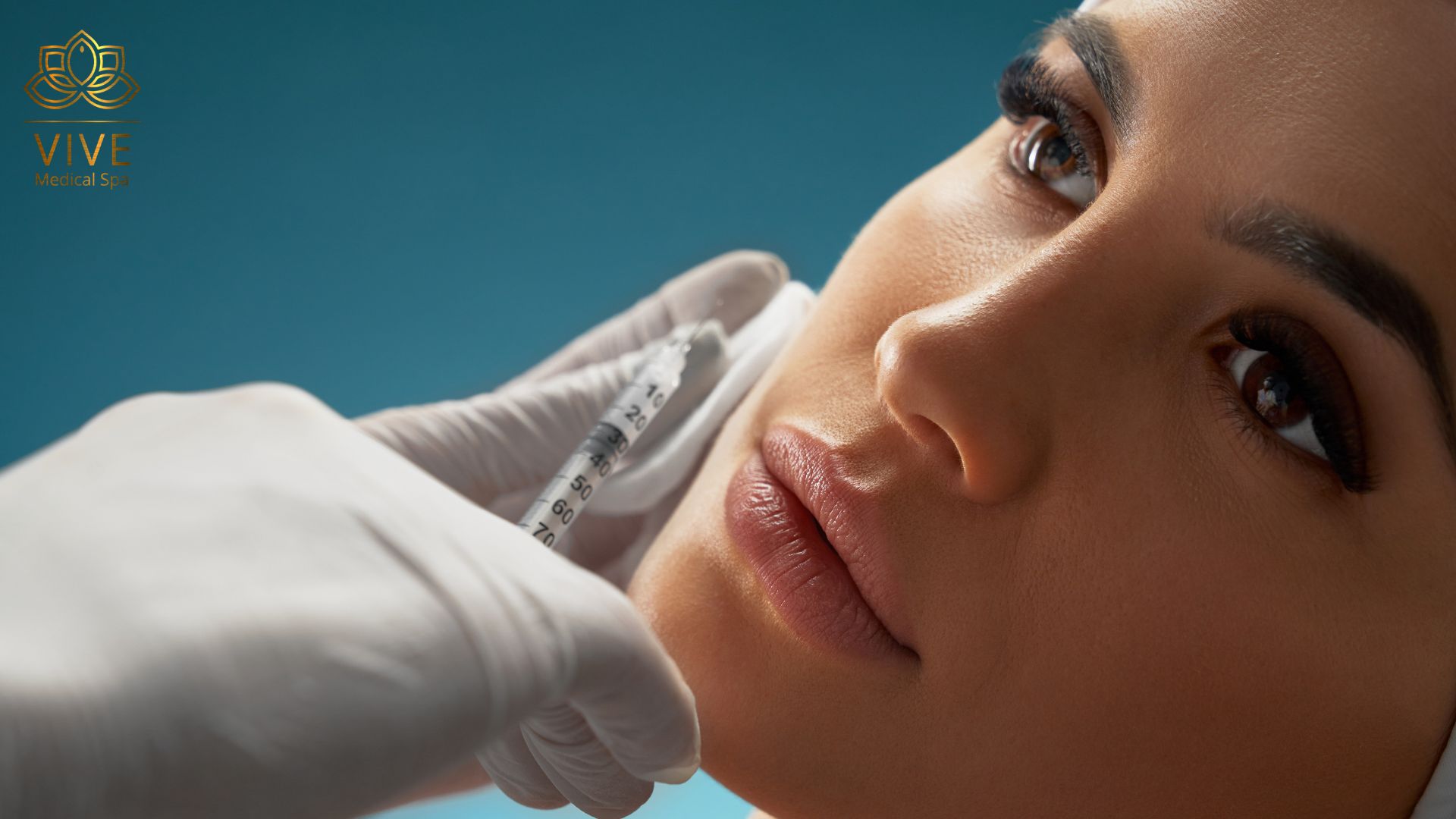
Dermal fillers have become one of the most popular non-surgical cosmetic treatments. Patients use fillers to restore facial volume, smooth wrinkles, and enhance facial contours. Demand for these procedures continues to grow as treatments become faster and more accessible.
Safety remains the most important factor before any aesthetic procedure. Understanding what questions to ask before treatment helps patients choose qualified providers and reduce potential risks.
What Dermal Fillers Do
Dermal fillers add volume beneath the skin. Most modern fillers contain hyaluronic acid, a substance naturally present in the body that helps maintain hydration and elasticity.
Fillers can improve several aesthetic concerns:
- Volume loss in cheeks or temples
- Deep folds around the nose and mouth
- Thin or asymmetrical lips
- Jawline or chin definition
- Under-eye hollows
Results appear immediately and can last months or even years depending on the product used.
Why Safety Matters
Fillers require medical knowledge and precise technique. Incorrect placement or poor training can lead to complications.
Potential risks include:
- Severe bruising or swelling
- Lumps or uneven results
- Infection
- Vascular complications if filler enters a blood vessel
Proper training and anatomical knowledge significantly reduce these risks.
Question 1: Are You a Qualified Medical Professional?
One of the most important questions involves provider qualifications.
Patients should confirm that the injector is:
- A licensed medical professional
- Experienced in facial anatomy
- Specifically trained in injectable treatments
- Regularly performing filler procedures
Training and experience directly influence both safety and aesthetic results.
Question 2: What Type of Filler Are You Using?
Different fillers serve different purposes. Some products work better for delicate areas like lips, while others provide structure for cheeks or jawline.
Patients should ask:
- Which brand and product will be used
- Whether the filler contains hyaluronic acid
- How long the product typically lasts
- Why that specific filler suits the treatment area
Understanding the product helps set realistic expectations.
Question 3: What Complications Should I Know About?
Every medical treatment carries some risk. A responsible provider explains potential complications and how to manage them.
Common temporary effects include:
- Mild swelling
- Redness at injection sites
- Minor bruising
Providers should also discuss rare complications and the steps taken to address them.
Question 4: Can the Filler Be Reversed?
Most hyaluronic acid fillers can be dissolved using an enzyme called hyaluronidase.
This option provides an additional layer of safety because providers can adjust or reverse results if necessary.
Patients should confirm:
- Whether the filler used is reversible
- Whether the clinic keeps hyaluronidase available
- Whether the provider has experience correcting filler issues
Reversibility offers reassurance for many first-time patients.
Question 5: What Results Should I Realistically Expect?
Safety includes setting realistic expectations. Overfilled or unnatural results often occur when expectations are unclear.
Patients should discuss:
- Desired facial balance
- Subtle versus dramatic enhancement
- Long-term treatment plans
A skilled injector focuses on natural-looking improvements rather than excessive volume.
Additional Safety Considerations
Patients should also pay attention to the clinic environment.
Important indicators include:
- Clean, professional treatment rooms
- Proper medical supplies and sterile technique
- Thorough consultation before injections
- Detailed aftercare instructions
These factors reflect a clinic’s commitment to patient safety.
Aftercare and Monitoring
Proper aftercare reduces complications.
Typical recommendations include:
- Avoid touching the treated area immediately after injections
- Skip intense exercise for 24 hours
- Avoid excessive heat such as saunas for several days
- Monitor swelling or unusual symptoms
Providers should remain available if concerns arise after treatment.
Questions to Ask During Your Consultation
Patients preparing for filler treatment should ask:
- What filler product will you use and why?
- How many treatments have you performed?
- What side effects should I expect?
- Can the filler be dissolved if needed?
- How long will results last?
Open communication improves safety and satisfaction.
Final Thoughts
Dermal fillers can provide excellent cosmetic results when performed by trained professionals. Asking the right questions before treatment helps patients make informed decisions and avoid unnecessary risks.
At VIVE Medical Spa, experienced providers prioritize patient safety, natural results, and personalized treatment planning for every filler procedure.