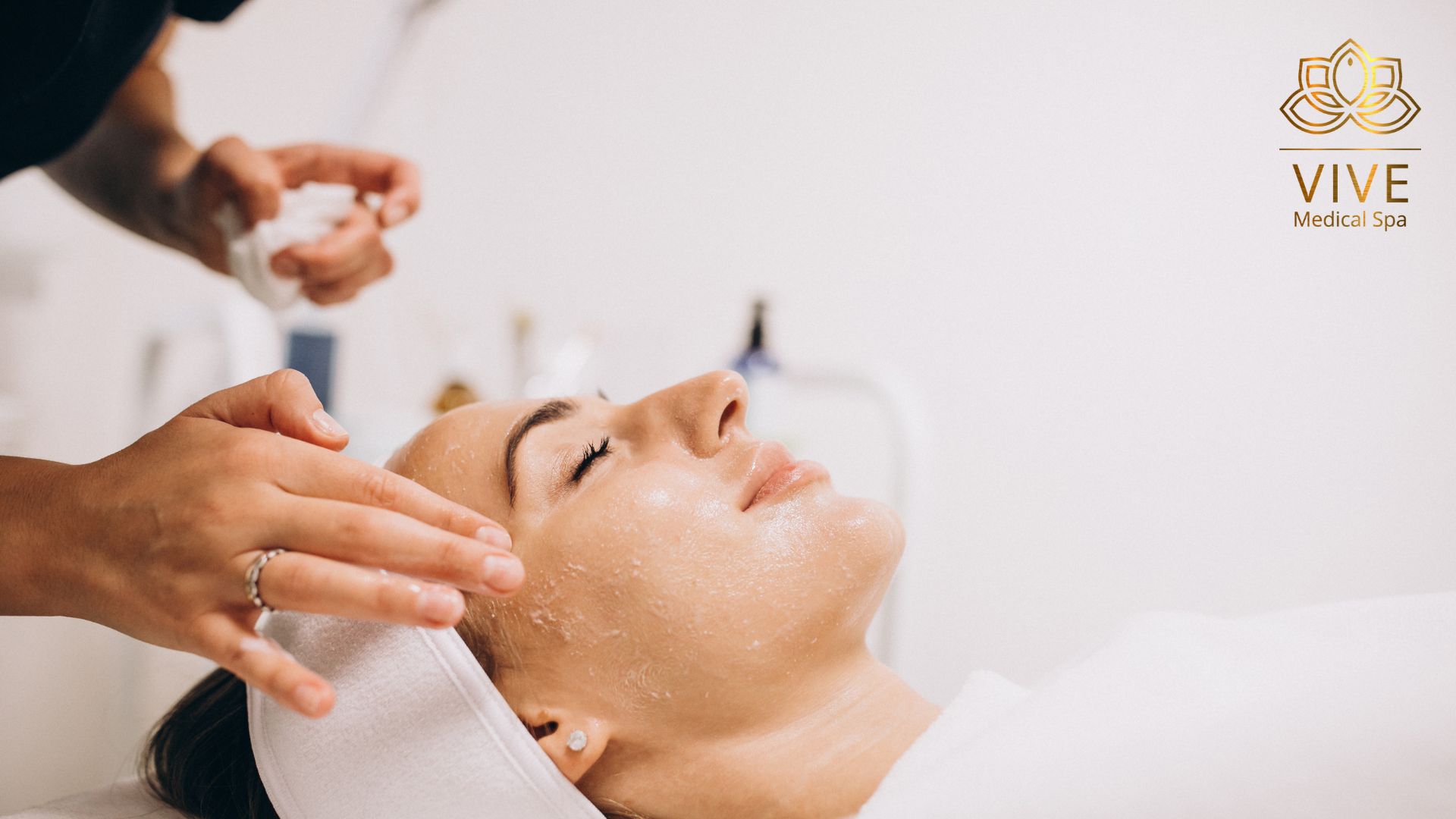
Chemical peels are a popular treatment for improving skin texture, tone, and overall appearance. They can address concerns such as acne, hyperpigmentation, fine lines, and dull skin. Many patients wonder whether chemical peels are safe to perform throughout the entire year.
The short answer is yes—chemical peels can be performed year-round under the right conditions. However, timing, skin type, and sun exposure all play important roles in determining the safest and most effective approach.
Understanding how seasonal factors affect chemical peel treatments helps patients protect their skin and achieve optimal results.
How Chemical Peels Work
Chemical peels use controlled exfoliation to remove damaged outer layers of skin. The treatment stimulates cell turnover and encourages the growth of new, healthier skin.
Peels vary in strength and depth:
- Superficial peels target the outermost layer of skin
- Medium peels penetrate deeper layers
- Deep peels reach further into the skin for more dramatic results
The intensity of the peel influences recovery time and sensitivity to sunlight.
The Role of Sun Exposure
Sun exposure is the most important factor when considering chemical peels throughout the year.
After a peel, the skin becomes more sensitive to ultraviolet (UV) rays. This increased sensitivity can lead to:
- Sunburn
- Hyperpigmentation
- Uneven skin tone
- Delayed healing
Because of these risks, proper sun protection is essential regardless of the season.
Are Chemical Peels Safe in Summer?
Chemical peels can still be performed during summer months, but extra caution is necessary.
Patients should be willing to:
- Avoid direct sun exposure
- Use broad-spectrum sunscreen daily
- Reapply sunscreen frequently
- Wear hats and protective clothing
- Limit outdoor activities during peak sunlight hours
Superficial peels are typically preferred during summer because they involve less downtime and lower risk of complications.
Why Fall and Winter Are Popular for Peels
Many patients choose fall and winter for chemical peel treatments. These seasons often involve less sun exposure, making recovery easier to manage.
Benefits of cooler seasons include:
- Reduced UV intensity
- More time spent indoors
- Lower risk of post-inflammatory hyperpigmentation
- Easier adherence to aftercare instructions
Deeper peels are often scheduled during these months for optimal safety.
Choosing the Right Type of Peel
Not all chemical peels carry the same level of risk. A qualified provider will recommend the most appropriate peel based on:
- Skin type
- Treatment goals
- Lifestyle and sun exposure
- Time of year
For example:
- Light peels may be performed more frequently throughout the year
- Medium peels may require careful timing
- Deep peels are usually reserved for periods with minimal sun exposure
A personalized approach improves both safety and results.
Skin Types and Pigmentation Risk
Patients with darker skin tones may have a higher risk of post-inflammatory hyperpigmentation (PIH) after chemical peels.
Sun exposure can increase this risk.
Providers often take extra precautions for these patients, including:
- Using gentler peel formulations
- Recommending strict sun protection
- Adjusting treatment frequency
Professional evaluation helps minimize complications.
Essential Aftercare for Year-Round Safety
Aftercare plays a critical role in protecting the skin after a chemical peel.
Key recommendations include:
- Daily use of broad-spectrum sunscreen (SPF 30 or higher)
- Avoiding direct sun exposure during healing
- Using gentle skincare products
- Keeping the skin well hydrated
- Avoiding picking or peeling the skin manually
Following these steps helps prevent complications and supports healing.
When to Postpone a Chemical Peel
Certain situations may require delaying treatment.
Patients may need to reschedule if they:
- Have recent sunburn
- Plan extended sun exposure (such as vacations)
- Have active skin irritation or infection
- Are using medications that increase skin sensitivity
Proper timing ensures safer results.
Questions to Ask Your Provider
Patients considering a chemical peel should ask:
- Is this peel appropriate for the current season?
- How much sun exposure should I avoid?
- What level of peel is safest for my skin type?
- What aftercare steps should I follow?
- When can I return to normal activities?
Clear communication helps patients prepare for treatment.
Final Thoughts
Chemical peels can be performed safely throughout the year when proper precautions are taken. Sun protection, peel selection, and individualized treatment planning all play essential roles in minimizing risks.
At VIVE Medical Spa, experienced providers customize chemical peel treatments based on each patient’s skin type, lifestyle, and seasonal considerations to ensure safe, effective, and natural-looking results.